Enterprise DITA CCMS for Software Product Documentation
MadCap IXIA CCMS gives software companies the enterprise DITA content management they need to keep pace with agile release cycles. Manage thousands of topics across product versions, languages, and output formats with DITA component reuse, Dynamic Release Management for parallel documentation branches, and Collaborative Review workflows that replace email-based review cycles.
Software and Technology Leaders Trust MadCap IXIA CCMS
75%
Localization Cost Reduction
The Challenge: Managing 16,000+ topics in up to 21 languages with a toolchain that could not scale.
The Solution: Migrated to IXIA CCMS for DITA-based component reuse and centralized content management.
The Result: Doubled writer productivity and 75% reduction in localization costs over time.

35-40%
Documentation Time Reduction
The Challenge: Consolidating documentation across 75,000+ product SKUs in 30 countries after multiple acquisitions.
The Solution: IXIA CCMS to standardize content into DITA and centralize documentation across acquired companies on one platform.
The Result: 35 to 40% reduction in documentation production time by eliminating manual formatting work.
130%
Content Reuse Rate
The Challenge: Coordinating FPGA device handbook content across multiple writers without overlap or override risk.
The Solution: IXIA CCMS to centralize FPGA documentation with object locking and dependency tracing across the team.
The Result: Achieved 130% content reuse in FPGA device handbooks.

Component Content Management for Software and Technology means structured authoring, reuse, translation, and publishing of technical content for software products. This covers API references, administrator guides, deployment runbooks, release notes, and developer tutorials across rapid software release cycles and global customer bases. Documentation must keep pace with continuous integration pipelines, semantic versioning, and parallel maintenance branches while serving self-hosted and SaaS audiences. MadCap IXIA CCMS supports this complexity through DITA-based component content management, where topics, code samples, and screenshots are reused across editions, deployment models, and language locales.
Everything Software Teams Need for Documentation at Scale

Dynamic Release Management
Manage parallel documentation branches for different software releases with independent version control. Documentation can be delivered at the topic level for concurrent releases.

Component Content Reuse
Author shared feature documentation once and reuse it across every product that references it. Avalara achieved an 80% content reuse rate across their documentation platform.
Multilingual Software Documentation
Coordinate multilingual delivery with Unified Localization. AMD achieved 75% localization cost reduction over time managing 16,000+ topics in up to 21 languages.

Collaborative Review Workflows
Replace email-based review cycles with integrated feedback workflows. Multi-level review and approval processes keep documentation aligned with agile development sprints.

AI-Assisted Content Authoring
Accelerate documentation with AI Positron Assistant in oXygen Web Author, helping writers produce accurate technical content faster.
Enterprise-Scale Repository
Manage thousands of topics in the TEXTML native XML database with full-text search, metadata filtering, and role-based access controls for enterprise documentation teams.

Software Documentation Solutions
Structured content management for product documentation, API references, knowledge bases, and multilingual help across software product portfolios.
Get a DemoManage user documentation, online help, and knowledge base content across software product portfolios with DITA component reuse. Shared feature documentation is authored once and included in every product that references it, eliminating inconsistencies between product lines.
Manage API documentation, SDK guides, and integration references with Dynamic Release Management. DRM supports multiple API versions simultaneously, and DITA conditional processing generates version-specific documentation from shared content without maintaining separate source files.
Produce release notes, migration guides, and change documentation aligned with agile sprints. DITA topic-level authoring enables granular release notes that can be assembled from individual feature topics, and DRM maintains clear version history across every release branch.
Coordinate multilingual documentation delivery with Unified Localization. Topic-based translation workflows, TMS-agnostic automation, and MadTranslations integration support multiple translation vendor workflows. AMD achieved a 75% reduction in localization costs over time, and Sybase (SAP®) reduced localization costs 14% within months with a trajectory toward 30%.
Build and maintain searchable knowledge bases and support portals from structured DITA content. Customers use IXIA CCMS APIs and the Output Generator to unify internal and external-facing documentation on a single platform for consistent self-service help delivery.
But with MadCap Software’s DITA CCMS solution, AMD has cut localization costs in half, more than doubled writer productivity, and has improved the quality of our docs.
Keith Schengili-Roberts | Manager of Documentation and Localization, AMD Graphics Products

MadCap IXIA CCMS Resources
Videos & Tutorials
See MadCap IXIA CCMS in action. Watch tutorials covering DITA XML authoring, component content reuse, Dynamic Release Management, and the oXygen Web Author integration.
Watch Videos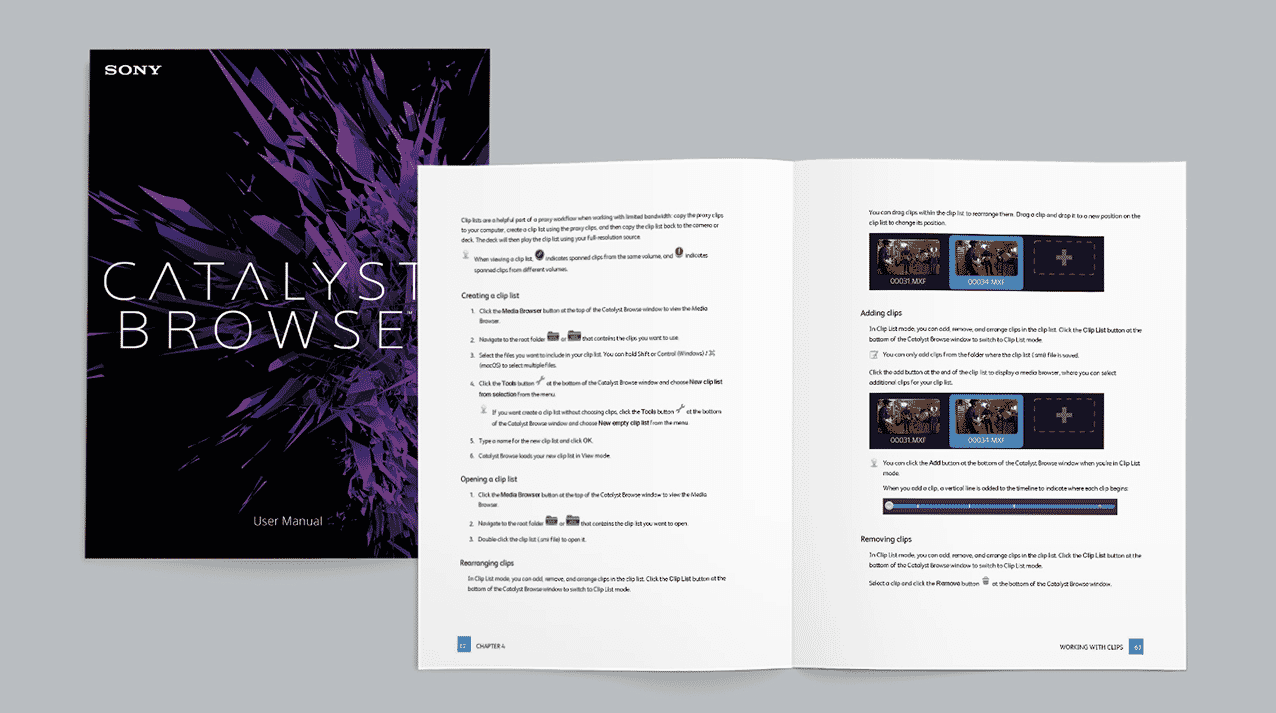
Success Stories
Discover how software companies like AMD, Analog Devices, and Altera (Intel FPGA) use MadCap IXIA CCMS to manage enterprise-scale DITA content and reduce localization costs.
View IXIA CCMS Stories
Product Overview
MadCap IXIA CCMS is the enterprise-grade DITA component content management system for structured authoring, content reuse, and multilingual publishing at scale.
Learn MoreFrequently Asked Questions
Software and technology companies using IXIA CCMS include AMD, Sybase (SAP®), Avalara, ATOSS Software, Analog Devices, and Altera (Intel FPGA). Published case studies document AMD’s 75% localization cost reduction over time and Avalara’s 80% content reuse rate.
Dynamic Release Management creates independent documentation branches for each software release while sharing common content components. Teams can work on documentation for the next release while maintaining the current version. DRM supports parallel delivery branches with topic-level delivery for concurrent releases.
Shared feature documentation is authored once and reused across every product, eliminating duplication. Avalara achieved an 80% content reuse rate. Unified Localization sends only changed components to translators. AMD achieved 75% localization cost reduction over time across 21 languages.
Yes. IXIA CCMS exposes a documented REST API that teams can use to connect the CCMS to enterprise development tools, version control systems, and ticketing platforms such as Jira and Azure DevOps. Customers commonly use the API to associate DITA topics with external system issue or user story IDs.
Published case studies show rapid results. AMD doubled writer productivity. Avalara reached 80% content reuse. Sybase (SAP®) saw 14% localization cost reduction within months. Results depend on content volume and migration scope, but DITA component reuse delivers immediate productivity gains.
Streamline Software Documentation at Enterprise Scale
Get a personalized demo and see how MadCap IXIA CCMS helps software teams manage multi-version, multilingual documentation with agile release workflows.