






As we strive to meet the rising demands of a burgeoning global population, the AgTech market, powered by agricultural technology, is seeing unprecedented growth. Amidst various global challenges, the Internet of Things (IoT) has emerged as a game-changer, revolutionizing precision crop farming, livestock management, and agricultural equipment tracking. Let’s dive into the boom in the AgTech market and the critical role played by IoT in this surge.
Understanding the Rising Demand for AgTech
Agricultural technology, or AgTech, involves the incorporation of cutting-edge technologies such as Internet of Things (IoT), artificial intelligence (AI), and machine learning into farming operations to enhance crop output, operational efficiency, and profitability. The reasons behind the skyrocketing demand for AgTech are multifaceted. One significant driver is the daunting challenge of catering to the food requirements of a rapidly expanding global populace while the amount of arable land continues to dwindle.
Another contributing factor is the unprecedented impact of climate change on agricultural practices. Fluctuating rainfall patterns and escalating temperatures have made it imperative for the farming sector to adapt and harness the power of technology to bolster its resilience against such adversities. Additionally, there has been a significant paradigm shift in favor of eco-friendly farming practices. There is a growing global cognizance about the importance of minimizing the detrimental environmental consequences of farming. This has engendered a rising preference for sustainable and responsible farming methodologies, thereby catalyzing the expansion of the AgTech market.
Overall, these factors have converged to stimulate a robust demand for AgTech solutions. This surge underscores the potential of AgTech as an essential tool to address the complex challenges faced by the global agricultural sector.
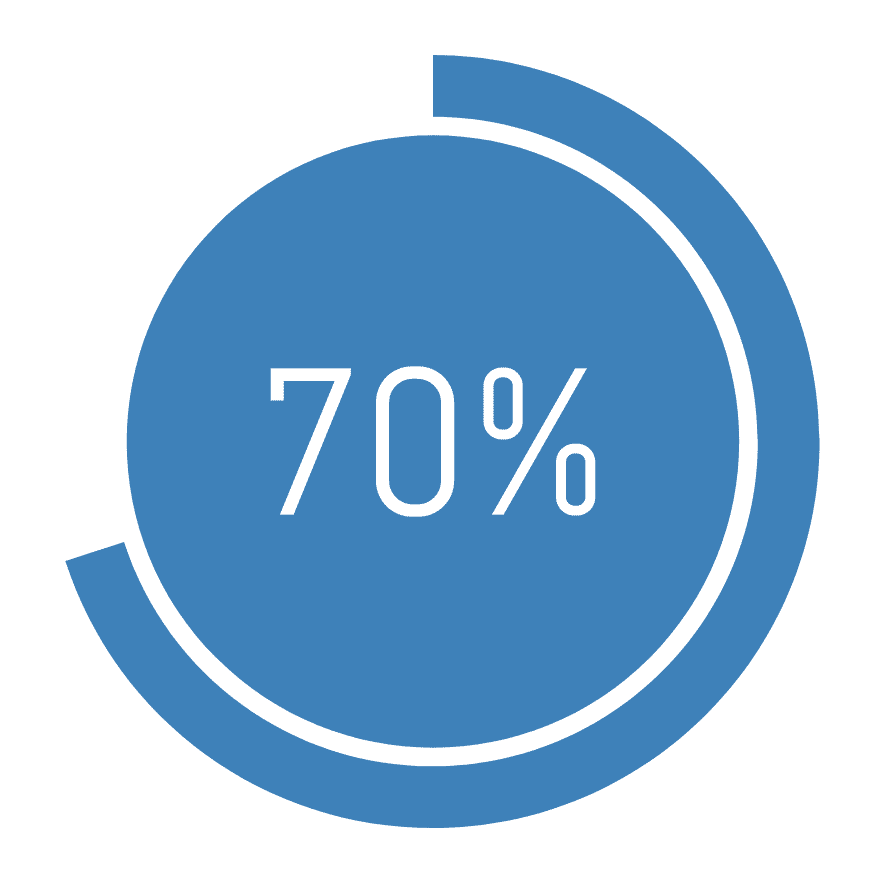
The internet of things could be key to the farming industry meeting the challenge of increasing food production by 70% by 2050.
By harnessing the power of IoT, farmers can improve their productivity, reduce costs, and increase overall farm profitability.
IoT in Livestock Management
The benefits of IoT extend beyond the fields of crop farming, making a significant impact on livestock management. Utilizing IoT-enabled wearable devices, such as smart collars and ear tags, farmers can closely monitor the health, location, and behaviour of their animals. These devices provide real-time data to farmers, signalling potential issues such as illness, stress, or behavioral changes in the animals. This enables farmers to promptly address these issues, ensuring their livestock’s welfare and preventing potentially expensive losses.
These devices are transforming traditional livestock management practices by providing comprehensive and actionable insights about the animals, which were previously impossible to attain. As the AgTech market grows, IoT’s role in livestock management is predicted to expand further, making animal husbandry more efficient and productive. The use of IoT in this sector exemplifies the transformative power of technology in enhancing agricultural practices. As we continue to navigate the challenges of a rapidly changing global environment, it’s clear that IoT will play an increasingly crucial role in shaping the future of livestock management.
IoT in Agricultural Equipment Tracking
Beyond the realms of crop fields and livestock sheds, the IoT has made its way into the field of agricultural equipment tracking. Leveraging IoT-based tracking devices, farmers and agri-businesses are now able to keep an eye on the location, usage, and performance of their farm machinery. This technological intervention has led to numerous advantages. For starters, it mitigates the risks associated with theft or misplacement of expensive equipment, thereby safeguarding the farmer’s investments.
Further, these IoT-enabled trackers also facilitate predictive maintenance of agricultural machinery. They provide crucial data on equipment usage and performance, which in turn helps anticipate potential malfunctions or breakdowns. By addressing these issues even before they arise, farmers can prevent unexpected equipment downtime, which often disrupts farming operations and leads to losses. This proactive approach to machinery maintenance not only extends the equipment’s lifespan but also enhances the overall efficiency and productivity of farming operations.
As the AgTech market continues to evolve and expand, the role of IoT in agricultural equipment tracking is likely to become even more critical. Farmers can expect more sophisticated tracking devices with features like remote operation and automation. Such advancements will further revolutionize agricultural practices, making farming a more streamlined, efficient, and profitable venture. Therefore, as we look towards the future, it’s evident that the IoT has a significant part to play in the transformation of agricultural equipment tracking.
The Future of AgTech and IoT
The prospect of AgTech, bolstered by the progression of IoT, seems promising as we gaze into the future. The merging of IoT and agricultural practices is set to advance, leading to increased automation and intelligent, efficient operations. We might soon witness the emergence of fully automated farms powered by IoT, which oversees every activity from seed planting to crop harvesting.
As IoT devices continue to collect and analyze vast amounts of data, farmers can anticipate more tailored, predictive farming practices. This will offer personalized recommendations that suit their specific conditions and needs. Amidst global trials and tribulations, the fusion of IoT and AgTech provides a hopeful avenue towards achieving sustainable, efficient, and lucrative farming in the future. This integration has the potential to revolutionize agriculture, addressing the needs of a growing global population while mitigating environmental impacts. As we move forward, it’s clear that IoT will play an instrumental role in transforming the AgTech market and shaping the future of global agriculture.