





What drives exceptional content delivery in today’s organizations? While technology and tools play their part, the true foundation lies in having a Learning Content Management System (LCMS) that empowers teams to create, manage, and deliver content that resonates. The numbers tell a compelling story: according to Zion Market Research, the global LCMS market, valued at $28.15 billion in 2023, is projected to reach $54.16 billion by 2032 – growing at a CAGR of 7.54%. This surge reflects a fundamental shift in how organizations approach content management, recognizing that the right LCMS isn’t just a tool—it’s a strategic asset that drives business success.
As organizations navigate this evolving landscape, choosing the right LCMS becomes crucial for long-term success. Let’s explore the six essential features that separate transformative solutions from basic content development repositories, helping you make an informed decision that aligns with your organization’s goals.
LCMS vs. LMS: Understanding the Key Differences
When considering a content management system for your organization’s learning needs, it’s crucial to understand LCMS vs. LMS features. While these platforms might seem similar, their specialized roles can significantly impact your training and development strategy.
What is an LCMS?
An LCMS is a comprehensive tool designed for content creation, management, and delivery. It allows teams to develop, customize, and update content all within the same platform. Unlike traditional LMS platforms that focus primarily on delivering and tracking training, an LCMS is geared towards streamlining the entire content development process.
An LCMS offers:
- Advanced content creation capabilities with integrated authoring tools.
- Detailed analytics to track learner engagement at every step.
- Real-time collaboration features, enable teams to co-author and review content seamlessly.
What is an LMS?
On the other hand, an LMS is a tool specifically for administering and delivering training programs. It manages a variety of learning experiences, from online modules to face-to-face workshops. The focus of an LMS is on learner management—tracking course completion, assessment scores, and overall progress.
LMS features include:
- Integration with external content authoring software and tools.
- Support for blended learning paths that combine various types of training.
- Reporting and analytics focused on course completion rates and learner progress.
By understanding the key differences, organizations can make informed decisions about whether they need an LCMS for content development or an LMS for training delivery. In many cases, integrating both systems provides the best of both worlds—centralized content management and versatile learning administration.
7 Essential Learning Content Management System Features
1. Robust Content Authoring and Multi-channel Publishing Capabilities
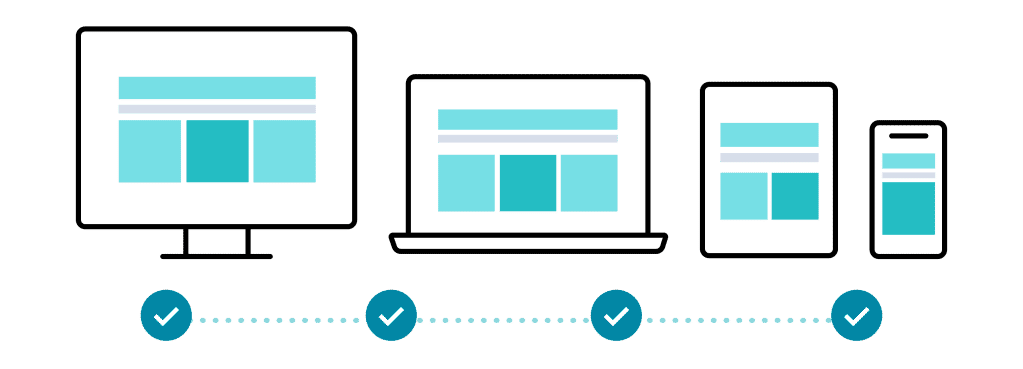
At the heart of every successful content strategy lies the ability to create and distribute content efficiently across multiple channels. Picture this: Your technical writer, using advanced content authoring software, crafts documentation for a new product feature. Within moments of development, that same content automatically populates your knowledge base, enriches your training materials, and updates your customer support documentation—all while maintaining consistent branding and messaging across every platform and tool.
This isn’t just about convenience; it’s about addressing a critical business challenge plagues modern organizations. Recent research reveals that 92% of organizations struggle with maintaining consistency across different content platforms types and data. Without robust content authoring and multi-channel publishing capabilities, teams find themselves trapped in endless copy-paste cycles, wrestling with version control nightmares, and watching their content quality suffer under the weight of manual updates.
To transform this learning challenge into an opportunity, leading organizations are embracing LCMS solutions that offer:
- A WYSIWYG editor for intuitive content creation
- Single-source publishing that allows “write once, publish anywhere.”
- Built-in templates to ensure brand consistency
- Version control to track changes and streamline updates
2. Adaptable to Business Needs
Think of your LCMS as a well-tailored suit that grows with your organization, adapting seamlessly to new requirements without requiring a complete wardrobe overhaul. This adaptability becomes crucial as organizations evolve—a reality reflected in today’s complex content landscape. Research shows that 47% of organizations currently juggle 2 to 3 different learning content management systems, while 27% manage four or more. These statistics paint a picture of a common pitfall: organizations often end up with a patchwork of systems because their original CMS integrations couldn’t keep pace with their growth and development.
Consider a software company that starts with basic documentation needs but quickly expands to include features that require multilingual content, video tutorials, and interactive guides. An adaptable LCMS turns this potential challenge into a smooth evolution, saving organizations from becoming another statistic in the fragmented content operations landscape.
To ensure your LCMS can grow alongside your organization, look for these foundational elements:
- Scalable architecture that handles growing content volumes
- API integrations that connect with your existing tools
- Customizable workflows that adapt to your processes
- Support for multiple languages and localization
- Regular updates that bring new features and capabilities
3. Enhances Team Productivity with Workflow Management
Imagine orchestrating a complex symphony of content creation across global time zones—your subject matter expert in Tokyo reviewing changes made by your technical writer in London. At the same time, your compliance team in New York needs to approve everything before publication. This isn’t just a hypothetical scenario; it’s the daily reality for modern content teams. Your LCMS serves as the virtual conductor, ensuring every learner player hits their mark at precisely the right moment.
The importance of this orchestration has become particularly evident in today’s distributed work environment. Research shows that remote work productivity increased by 47% during the pandemic, but this remarkable gain hinges on effective collaboration tools that manage workflows across time zones. Without proper workflow management, even the most talented teams can be trapped in a maze of delays, miscommunication, and frustration.
A well-designed LCMS transforms this potential chaos into a harmonious collaboration through essential capabilities:
- Customizable workflows that adapt to your processes
- Role-based permissions that ensure the right people handle the right tasks
- Integration with common tools like Slack or Microsoft Teams
4. Enhancing Learner Engagement with Blended Learning
Today’s learners expect content management platforms to deliver more than static text. They want engaging, interactive, and personalized eLearning experiences. LCMS solutions that incorporate blended learning tools can transform the learning experience and improve retention rates.
Blended learning combines digital content with traditional classroom methods, offering a holistic approach to training. By using an LCMS platform, organizations can easily create and manage courses that integrate videos, interactive modules, and live webinars, providing learners with flexible and comprehensive learning paths.
Benefits of blended learning include:
- Increased flexibility for learners to access training materials on their own schedule.
- Opportunities for deeper engagement through interactive content.
- The ability to cater to various learning preferences, ensuring broader reach.

5. Advanced Search and Metadata Management
Every piece of content in your organization tells a story, but these stories only matter if they can be found when needed. Think of your LCMS tools as a master librarian, not just storing content but understanding its context, relationships, and significance. This understanding transforms raw information into accessible knowledge, ready to be discovered and repurposed immediately.
The impact of effective content findability cannot be overstated. According to a study by OTRS Group, 82% of employees spend half an hour of their workday searching for the information they need to do their work. For a team of 50 people, that translates to over 500 hours per month lost to inefficient information retrieval. Now imagine turning those lost hours into productive time—that’s the power of advanced search and metadata management.
A robust LCMS makes this possible through sophisticated features designed to make content discovery intuitive and efficient:
- Powerful search with filters and faceted navigation
- Automated tagging that helps organize content
- Custom taxonomies that match your organization’s structure
- Content relationships that show how pieces connect
6. Security and Compliance Features
In an era where data breaches make headlines almost daily, your content’s security isn’t just about protection—it’s about trust, compliance, and organizational resilience. The stakes are exceptionally high in regulated industries like healthcare or finance, where a single compliance misstep can have far-reaching consequences. IBM’s 2024 Cost of a Data Breach Report puts this in stark perspective: healthcare organizations face the costliest breaches across all industries, with average breach costs reaching $9.77 million.
But security doesn’t have to come at the cost of accessibility. The right LCMS tools walks this delicate balance, protecting sensitive information while ensuring authorized users can access what they need when they need it.
This sophisticated approach to content security is achieved through a comprehensive set of features:
- Granular access controls that let you manage permissions precisely
- Audit trails that track who accessed what and when
- Secure content storage with encryption
- Regular security updates and patches

7. Performance Tracking and Analytics
Every piece of content you create is an investment in your organization’s future. But how do you know if that investment is paying off? This is where the power of performance tracking and analytics comes into play, facilitated by advanced content analytics software. When your team spends months creating comprehensive documentation, understanding its impact becomes crucial for strategic decision-making and resource allocation.
The potential impact of data-driven content management is substantial. According to McKinsey Global Institute, improving information sharing and collaboration through better analytics could increase productivity by 20% to 25%. This isn’t just about collecting data—it’s about gaining actionable insights that drive continuous improvement in your content strategy.
A sophisticated LCMS provides the tools needed to measure and optimize your content’s performance:
- Usage analytics that track content performance
- User behavior insights that show how content gets consumed
- Custom reports that answer your specific questions
- ROI metrics that justify-content investments
Why the Right Employee Training and Development Software Matters
Many organizations find themselves managing multiple disconnected tools for learning content, which slows productivity and fragments the learner experience. To avoid this, it’s essential to invest in the right employee training and development software—one that unifies authoring, delivery, analytics, and governance. A modern LCMS should do more than store content; it should empower your team to manage the entire content lifecycle efficiently, adapt to changing business needs, and deliver personalized learning at scale.
Make Your Decision Count
Choosing an LCMS is more than a technical decision—it’s a strategic investment in your organization’s future. Understanding the benefits of a content management system can help you determine the right solution for your needs. As you evaluate different solutions, consider how each feature aligns with your context and challenges. Ask yourself: What are your team’s current pain points? How might your content needs evolve in the next few years? What level of technical expertise does your team have? How will the LCMS integrate with your existing tools?
MadCap Software’s suite of content management solutions addresses these crucial features while providing the flexibility modern organizations need. Whether you’re managing technical documentation, training materials, or knowledge bases, our tools help you create, manage, and deliver content more effectively.
Ready to see these features in action? Schedule a consultation today.