





Imagine a manufacturing operation where AI flags a potential defect before it hits the line, where training is tailored to each worker’s role and skill level, and where updated Standard Operating Procedures (SOPs) are instantly pushed to every plant, in every language, without delay. That’s the AI-powered future many manufacturers are chasing.
But here’s the reality: critical knowledge is still trapped in spreadsheets, shared informally on the floor, or buried in outdated PDFs and disconnected systems. AI can’t interpret what it can’t access. Without a consistent, structured content foundation, even the most advanced platforms fall short.
The result? Slower production ramp-ups, inconsistent processes, training gaps, safety risks, and operational delays.
That’s why content readiness isn’t a back-office concern. It’s a frontline strategy. And manufacturers aren’t alone – across industries, the race to adopt AI is accelerating. But while executives are eager to invest, most initiatives are still falling short.
The Scale of the Challenge: Why AI Initiatives Fail
The numbers are sobering: 79% of executives are rushing to implement generative AI within three years, yet according to RAND, 80% of these initiatives are failing. The primary culprit? It’s not the AI technology itself—it’s the state of corporate content containing the data meant to power these systems. AI readiness is a key part of ensuring your business has the framework it needs for a successful AI initiative.
The Hidden Weakness in Your Digital Foundation
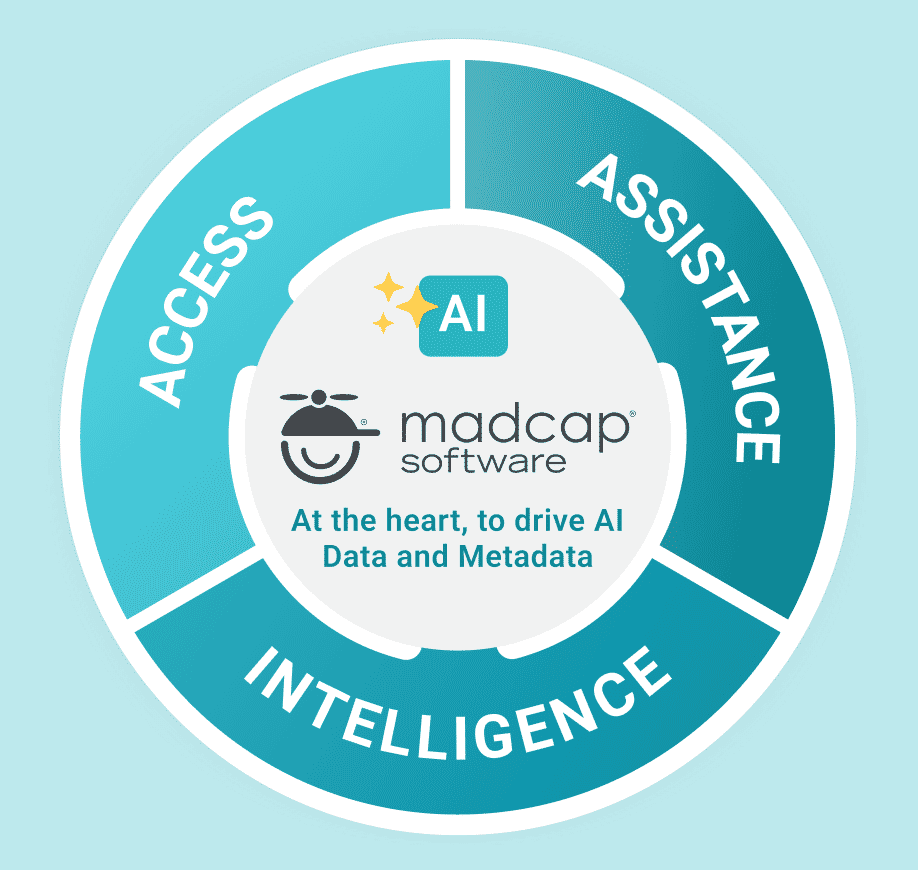
Enterprise AI implementation typically requires Retrieval Augmented Generation (RAG) – the critical process of connecting AI models with your organization’s proprietary knowledge. However, in most business, this intelligence is fragmented, inconsistent, and effectively unusable for AI model training. Without properly structured content and AI readiness, RAG becomes ineffective, leaving you with generic AI outputs instead of insights powered by your company’s unique expertise.
Think of it as trying to build a precision instrument with mismatched parts – the end result will never achieve its intended performance. Most concerning is that this weakness often remains invisible until after significant AI investments have been made, at which point the cost of remediation skyrockets.
The High Cost of Disorganized Content
The financial implications are staggering. Digital teams waste a huge chunk of time finding and validating information in development, while multiple departments unknowingly recreate the same content. Critical decisions are delayed by weeks due to inaccessible information, creating a ripple effect of inefficiency across global operations. But the true cost of not having the framework for AI readiness runs deeper than operational inefficiency. Your company’s competitive edge – its accumulated knowledge and expertise – remains locked in disparate technology, systems, formats, and silos. This fragmentation hampers current operations and poses an existential threat to AI initiatives. When content isn’t properly managed, businesses and organizations face:
- Exponentially increasing costs for data cleaning and preparation
- Growing vulnerability to compliance risks and information security threats
- Inability to leverage institutional knowledge for competitive advantage
- Persistent quality issues in AI outputs due to inconsistent training data
The Market Divide is Real
The data tells a compelling story. Organizations that have prioritized their content infrastructure are seeing:
- 15.8% boost in revenue
- 15.2% reduction in operational costs
- 22.6% jump in productivity
- 200+ hours saved annually per employee
The content infrastructure of these businesses was very likely AI-ready before they began their AI journey—organizations which are only now playing catch-up are already lagging behind.
Warning Signs Your Organization is at Risk
Ask yourself these critical questions:
- Can your teams instantly access any approved corporate content?
- Do you have a single source of truth for organizational knowledge?
- Is your content structured consistently across departments?
- Can you track how corporate information flows through your organization?
If you answered “no” to any of these questions, your AI initiatives are at risk.
The Road to AI Readiness: A Strategic Path Forward
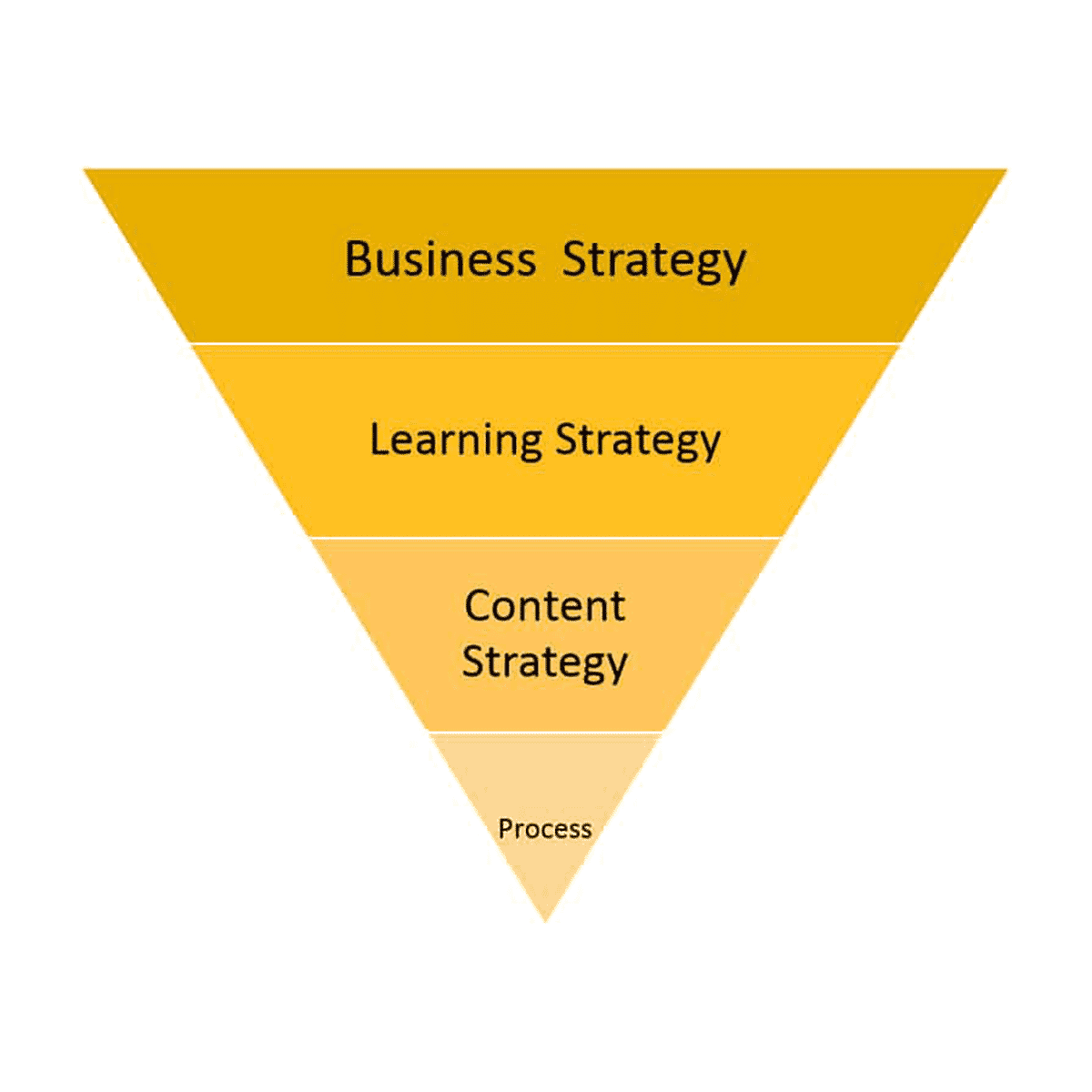
The solution to this content crisis is clear. Modern content management systems can transform scattered corporate knowledge into a structured, AI-ready asset. Businesses implementing comprehensive content management solutions are finding that their AI journey is yielding results compared to those who are still scrubbing their AI training data to be usable.
The time for delegation is over. Content readiness requires executive sponsorship because it crosses all organizational boundaries. Success demands:
- Immediate content audit across all business units
- Enterprise-wide governance strategy
- Strategic investment in content infrastructure
- Clear ownership at the leadership level
Transform Your Content Infrastructure Today
AI can only deliver meaningful results when the content behind it is structured, consistent, and accessible. For manufacturers, that means ensuring SOPs, job aids, and training materials are easy for both people and AI systems to find, trust, and apply.
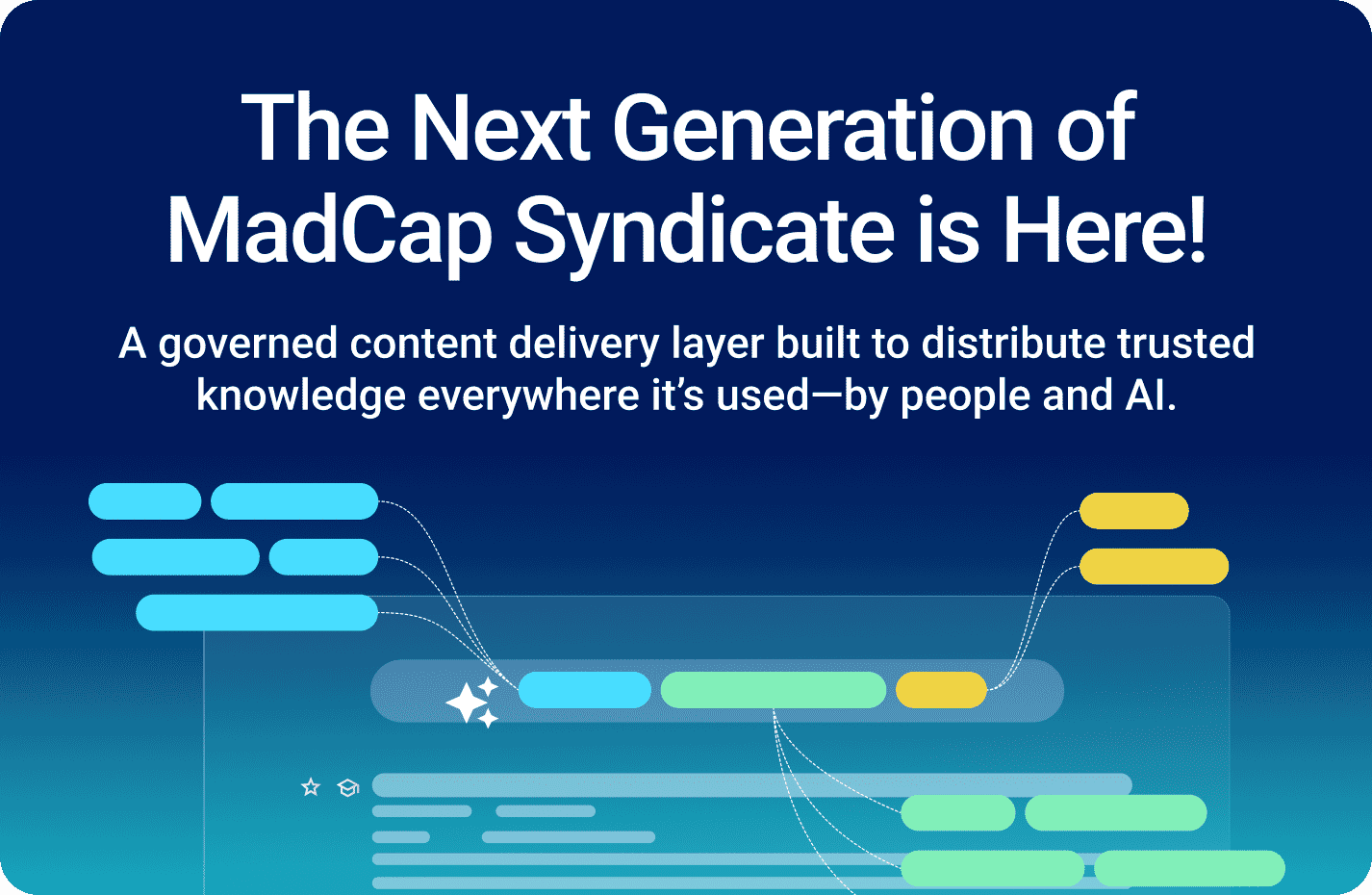
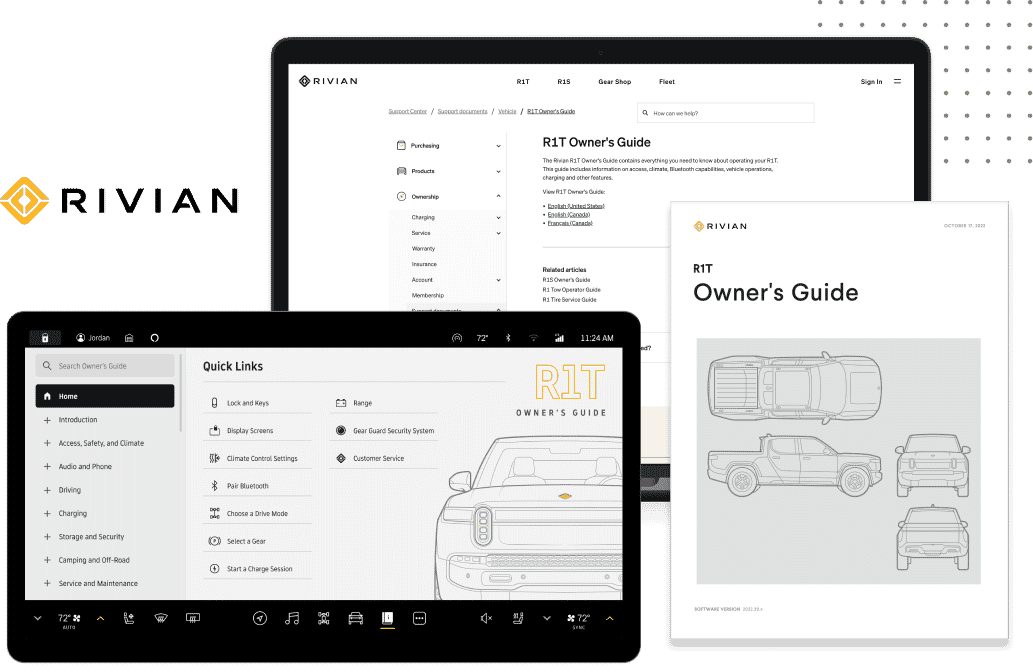
MadCap Syndicate supports this shift by turning scattered, outdated documents into a centralized, structured knowledge base. It makes critical content easier to govern, deliver, and scale. Whether you’re surfacing the right procedures on the floor or enabling predictive training and support, the right content foundation makes all the difference.
The question isn’t whether to address your content readiness – it’s how quickly your organization can move. Will you lead the transformation, or find yourself explaining why your AI investments aren’t delivering the results you promised?
Want to move faster with AI you can trust? Get a closer look at MadCap Syndicate in action.