





It is imperative to note that the success of the Learning and Development team is intrinsically tied to the overall success of our organization. Hence, I remain committed to providing them with the resources and opportunities they need to excel in their roles. From my vantage point, investing in the development of this team is not only beneficial to the team members but also has a ripple effect on the organization as a whole. When it comes to analytics from the Learning and Development team, there are a few key metrics that I care most about:

Employee Engagement
Employee engagement is important to any organization, and I believe that the Learning and Development team plays a big role in driving engagement by creating opportunities for employees to learn, grow, and feel fulfilled in their jobs. Therefore, I am eager to receive analytics on how engaged employees are with the development opportunities our organization provides. This can be measured through surveys, feedback forms, and other engagement metrics that arise from various learning programs. Some specific data points I'm interested in include:
- Employee feedback and satisfaction ratings on learning programs
- Participation rates in optional learning activities
- Number of learning opportunities taken by each employee

Skill Development
The Learning and Development team holds the critical responsibility of endowing our workforce with the necessary technical skills required to execute their job roles with confidence. To keep pace with the fast-evolving advancements in their respective domains, evaluating the employees' competency levels through skill assessments and training sessions becomes an indispensable practice. Therefore, I am constantly intrigued by the data that reflects the growth of skill development in our employees. In particular, certain data points capture my attention and extend my curiosity. Some specific data points I'm interested in include:
- Performance metrics related to specific skills covered in the training programs
- Training completion rates and time spent on each module
- Feedback from managers and supervisors on employees' skill development progress

Return on Investment (ROI) and Value Add
When it comes to the success of the organization, analytics that provide evidence of the effectiveness of the Learning and Development programs become very important. The aim is to justify their ROI through cost-benefit analysis, tracking how more productivity and improved skills translate into results for the company. Therefore, I am keen to receive insights on the value add that L&D programs bring about. Some specific data points I'm interested in include:
- Cost per employee for training programs
- Increase in productivity and performance metrics after training completion
- Employee retention rates and their correlation with participation in learning programs
- Comparison of key performance indicators (KPIs) before and after training

Impact on Business Outcomes
In my role as the CEO, I place a great deal of importance on the impact that Learning and Development initiatives have on our organization's overall performance. As a result, my top priority is to gather and analyze data that accurately illustrates the connection between L&D efforts and business outcomes. I am particularly intrigued by a multitude of specific metrics that provide insight into this relationship, such as:
- Revenue growth or cost savings resulting from improved employee skills
- Customer satisfaction ratings tied to employee training and development efforts
- Employee turnover rates and the correlation with engagement and L&D programs
Moreover, I believe that utilizing this information to inform our decision-making and optimize our L&D programs is essential for driving the success of our organization.

Alignment with Organizational Goals
To guarantee the efficacy of L&D endeavors, it is imperative to synchronize them with the larger strategic goals of the company. Providing analytical insights that illustrate the role of Learning and Development initiatives in achieving these objectives holds immense importance. My attention is particularly focused on several vital metrics, including:
- Alignment of employee skill development with strategic skills identified for the organization
- Number of employees trained in critical areas aligned with organizational priorities
- Tracking the acquisition of new skills needed for future growth and innovation
- Employee feedback on how training programs contribute to overall organizational goals
Furthermore, extending these metrics to cover a more comprehensive range of areas can greatly enhance the evaluation and overall success of L&D efforts.
How MadCap Software Helps Provide the Data
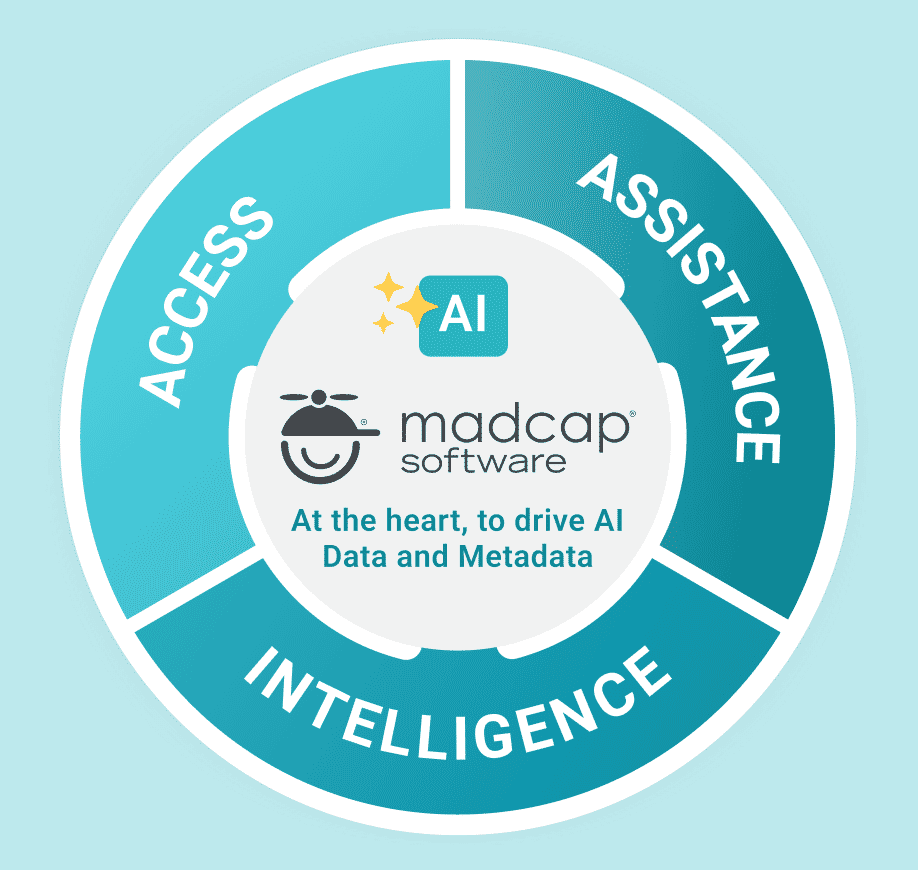
To effectively measure and track these key analytics, our organization utilizes our own platform, MadCap Create, a powerful learning content management system (LCMS). MadCap Software offers several benefits that aid in providing the necessary data for Learning and Development analytics:
Centralized Learning Content: MadCap Software allows our Learning and Development team to centralize all learning content in one place. This ensures consistency and simplifies the process of collecting data from various sources.
Granular Learner Data: MadCap Software provides the capability to collect granular data on learner interactions with content. This includes data on completion rates, time spent on each learning module, and user engagement. This level of detail helps us understand learner behaviors and identify areas for improvement.
Data Visualization and Reporting: MadCap Software offers robust data visualization and reporting features, allowing us to transform raw data into meaningful insights. The platform generates customizable reports, graphs, and dashboards that provide a clear overview of learner progress, skill development, and engagement metrics.
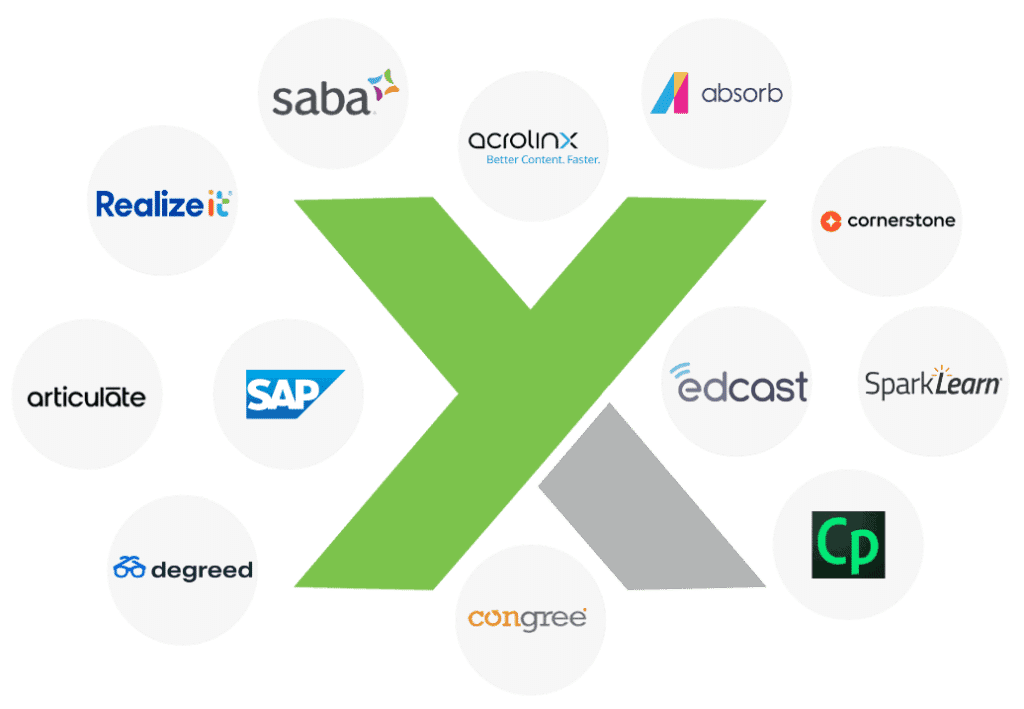
Integration with Other Systems: MadCap Software seamlessly integrates with other systems and tools used by our organization, such as our HR systems and learning management systems (LMS). This integration ensures that data captured by MadCap Software can be combined and analyzed with other relevant data sources, providing a comprehensive view of learning and development effectiveness.
With MadCap Software as our learning content management system, we can confidently rely on the platform to provide us with accurate and comprehensive analytics. The data and insights received from MadCap Software empower our Learning and Development team to continually enhance our training programs and optimize the value they bring to the organization.
As a CEO, I believe that analytics from the Learning and Development team are crucial to the success of our business, as they help me make data-driven business decisions. Employee engagement, skill development, and ROI-based analytics are three of the most important metrics I look for, and MadCap Software plays a vital role in providing the data and insights we need to stay competitive and future-ready in the ever-evolving market.